
Electrical problems do not always give a clear warning. A light may flicker, an outlet may feel warm, or a breaker may trip more often than usual. These signs can seem small at first, but they may point to a serious electrical problem.
Electrical Fire Prevention is an important part of keeping your home, family, and property safe. Damaged wiring, overloaded circuits, and poor electrical maintenance can increase the risk of fire. Many property owners are not sure which warning signs need immediate attention or when an electrician should inspect the system.
At Nodine Electric LLC’s electrical services page, homeowners and businesses can review services related to electrical installation, repair, maintenance, and rewiring. Taking electrical safety seriously can help reduce risks before small problems become expensive emergencies.
This guide covers warning signs, practical safety steps, everyday electrical habits, and situations that require professional attention.
Electrical Fire Prevention and Its Importance
Electrical Fire Prevention means taking steps to reduce the chance of a fire caused by an electrical system or device. It includes checking electrical wiring, keeping circuits from carrying too much power, repairing damaged equipment, and maintaining electrical systems properly.
Electricity travels through wires to power lights, outlets, appliances, and other equipment. When electrical connections become loose or wires are damaged, unwanted heat can develop. If that heat reaches nearby materials, a fire may start.
A home may appear completely normal while an electrical problem develops behind a wall or inside an outlet. This is why regular electrical maintenance matters, even when everything seems to be working.
Good electrical safety practices protect more than the building itself. They also help protect the people who live or work inside it.
Which Warning Signs Can Point to an Electrical Fire Risk?
Some electrical problems produce warning signs before a serious failure occurs. Paying attention to these changes can help property owners act sooner.
Warm Outlets and Switches
An outlet or switch that feels unusually hot may have a loose connection, damaged wiring, or another electrical problem. Heat around electrical parts should never be ignored.
Stop using an outlet that feels hot, smells unusual, or shows signs of damage. Avoid touching exposed electrical parts, and arrange a professional inspection.
Flickering Lights and Frequent Breaker Trips
Lights that flicker regularly may indicate loose electrical connections or another issue within the system. A circuit breaker that trips repeatedly may be responding to excess electrical current or a fault.
Resetting the breaker again and again without addressing the cause is not a safe long term solution.
Burning Smells and Unusual Sounds
A burning smell near an electrical outlet, panel, or appliance can signal overheating. Buzzing or crackling sounds may also indicate a dangerous electrical fault.
If there is smoke, visible fire, or an immediate danger, leave the building and contact emergency services. Do not attempt to investigate a burning electrical panel or damaged wiring yourself.
Electrical Fire Prevention Steps for Everyday Safety
Reducing electrical fire risks starts with paying attention to the equipment and electrical systems used every day.
Step 1: Check Visible Electrical Equipment
Look for damaged power cords, cracked outlets, loose plugs, and signs of overheating. These problems may seem minor, but they can become dangerous when equipment continues operating.
Never use electrical equipment with exposed wires or damaged insulation.
Step 2: Avoid Overloading Electrical Outlets
Connecting too many appliances to the same outlet or circuit can create unsafe conditions. High power appliances should be connected according to their electrical requirements.
Extension cords should not replace permanent electrical wiring. If a room needs more outlets, a properly planned electrical installation may be necessary.
Step 3: Pay Attention to Circuit Breakers
Circuit breakers help protect electrical circuits from certain unsafe conditions. If a breaker trips frequently, it may indicate an overload, short circuit, or another fault.
Do not replace a breaker with a larger one to stop repeated trips. The wiring and circuit must be evaluated before changes are made.
Step 4: Arrange Electrical Maintenance
Electrical systems can develop problems as buildings age and equipment changes. Connections may loosen, wiring may become damaged, and electrical demand may increase.
Professional electrical maintenance can identify visible defects and test parts of the system when needed.
Step 5: Keep Electrical Areas Clear
Electrical panels should remain accessible. Avoid placing storage materials directly against electrical equipment or blocking access to important electrical controls.
Keeping these areas clear makes inspection and emergency access easier.
A Real World Example of Electrical Fire Prevention
Imagine a homeowner who notices that the lights in the kitchen dim whenever a large appliance starts. At first, the change seems harmless because the lights return to normal within a few seconds.
After some time, the homeowner also notices that a breaker occasionally trips. Instead of ignoring the problem, they arrange an electrical inspection.
The electrician checks the circuit, its connections, and the electrical demand. The inspection helps determine whether the problem involves an overloaded circuit, a loose connection, or another electrical fault.
The homeowner can then address the actual cause rather than continuing to reset the breaker.
This example shows an important part of Electrical Fire Prevention. Early attention to unusual electrical behavior may reduce the chance of a more serious problem.
Errors That Often Increase Electrical Fire Risks
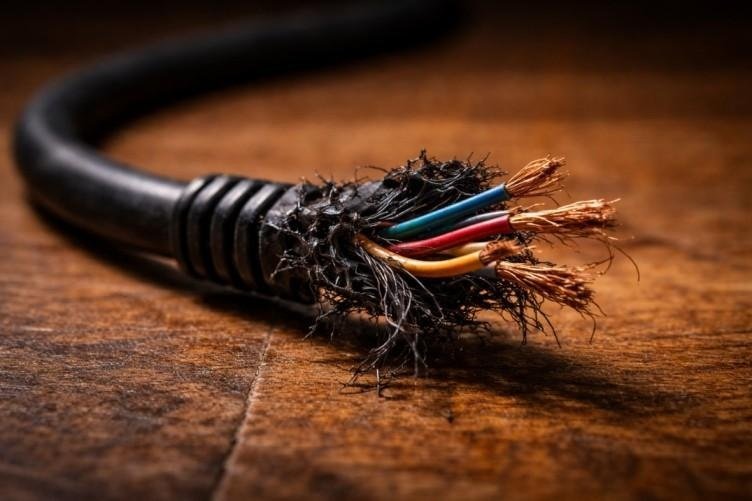
Electrical safety problems sometimes develop because people continue using equipment that already shows signs of trouble.
Ignoring Small Electrical Problems
A flickering light or warm outlet may not seem urgent. However, repeated warning signs deserve attention because electrical faults can become more serious over time.
Waiting until an outlet stops working completely may allow damage to continue.
Using Damaged Extension Cords
Extension cords with damaged insulation, loose plugs, or exposed wiring can create electrical hazards. Running cords beneath rugs or through areas where they may be crushed can also damage them.
Electrical Fire Prevention includes removing damaged cords from use and avoiding unsafe temporary wiring arrangements.
Attempting Electrical Repairs Without Proper Training
Electrical systems can remain dangerous even when a switch appears to be turned off. Incorrect wiring connections can also create hidden problems.
Electrical repairs involving building wiring, outlets, panels, or circuits should be handled by a qualified electrician.
Delaying Electrical Maintenance
Some property owners wait until an electrical system fails before requesting maintenance. This can leave developing problems unnoticed.
Regular attention to electrical safety is especially important when a building has older wiring or changing electrical needs.
Practical Tips for Safer Electrical Systems
A few consistent habits can make electrical safety easier to manage.
Keep Electrical Installations Suitable for Their Purpose
Electrical equipment should match the requirements of the circuit where it is installed. Appliances and electrical systems have different power needs.
When adding new equipment, an electrician can evaluate whether the existing circuit and electrical panel can safely support it.
Give Older Wiring Proper Attention
Older buildings may have wiring that no longer meets the needs of modern electrical equipment. This does not mean every older electrical system is unsafe, but changes in electrical demand deserve proper evaluation.
For homes undergoing remodeling, electrical rewiring may be necessary when existing wiring is damaged or unsuitable for planned improvements.
Take Commercial Electrical Safety Seriously
Offices, commercial properties, and other workplaces may have electrical equipment operating for long periods. Electrical maintenance is important for reducing risks to employees, customers, and property.
Business owners and facility managers should pay attention to repeated electrical faults and arrange professional inspections when warning signs appear.
Keep Electrical Safety Devices in Working Condition
Smoke alarms provide an important warning when smoke is present. Test and maintain them according to the manufacturer’s instructions.
Where required or appropriate, properly installed electrical protection devices can also reduce certain electrical hazards. A qualified electrician can assess the protection needed for a particular system.
Electrical Fire Prevention as Part of a Larger Electrical Safety Plan
Electrical Fire Prevention works best when it is connected to regular electrical installation, repair, and maintenance decisions.
For example, a homeowner planning a remodeling project should consider the condition of existing wiring before adding outlets or new electrical equipment. A business owner may need to review electrical demand before expanding operations.
Electrical safety also matters when installing an electric vehicle charging station or a Generac generator. These systems require suitable electrical connections and installation practices.
For a broader view of these connected topics, the complete guide to residential and commercial electrical safety can serve as the main reference for electrical installation, repairs, maintenance, and power backup planning.
Taking a wider approach helps property owners consider both immediate electrical problems and future electrical needs.
When Professional Electrical Assistance Becomes Necessary
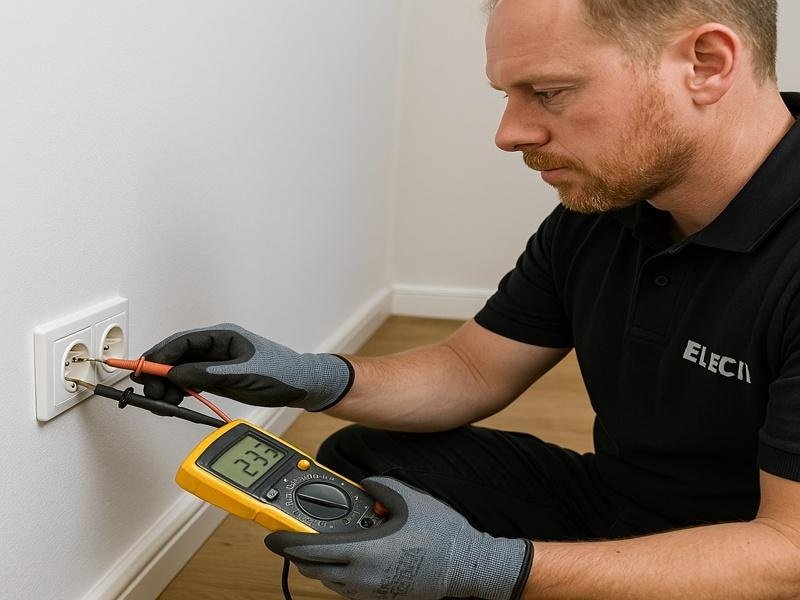
Some electrical issues require professional attention because the problem may be hidden inside wiring, panels, or electrical connections.
You should consider contacting a qualified electrician when outlets become unusually hot, breakers trip repeatedly, wiring appears damaged, or electrical equipment produces burning smells.
Professional assistance is also important when electrical systems need repairs, remodeling, rewiring, or additional electrical capacity.
Nodine Electric LLC provides electrical installation, repair, maintenance, remodeling and rewiring, commercial electrical services, electric vehicle charging station installation, and Generac generator installation and maintenance services in Pendleton, South Carolina, and surrounding areas.
The goal of professional electrical service is to identify electrical problems, evaluate the condition of the system, and carry out appropriate work.
Electrical Fire Prevention should always focus on safety rather than temporary fixes.
Electrical Fire Prevention and Emergency Readiness
Even with proper maintenance, every home and business should be prepared for a possible fire emergency.
Keep exits accessible and make sure people in the building know the safest way to leave if a fire occurs. Smoke alarms should remain operational, and any damaged electrical equipment should be taken out of use.
A fire involving electrical equipment can be especially dangerous because electrical current may still be present. Never pour water onto energized electrical equipment or attempt to handle a fire beyond your training and the equipment available.
The glossary of firefighting equipment provides additional terminology related to firefighting tools. For practical fire safety decisions, follow local fire department guidance and emergency procedures.
Electrical safety and emergency readiness work together. Preventing hazards remains the priority, while a clear emergency plan can protect people if a dangerous situation develops.
Conclusion
Electrical Fire Prevention starts with noticing warning signs and taking electrical problems seriously. Warm outlets, repeated breaker trips, damaged wiring, and unusual burning smells should never become normal parts of daily life.
Regular electrical maintenance, suitable installations, safe equipment use, and timely repairs can reduce the chance of electrical hazards developing into serious incidents.
Homeowners and business owners in Pendleton, South Carolina, and surrounding areas can take practical steps to protect their properties by keeping electrical systems in good condition.
If electrical equipment behaves unusually or a property needs electrical improvements, professional assessment is a sensible next step.
Frequently Asked Questions About Electrical Fire Prevention
1. Can an electrical fire start inside a wall?
Yes. Damaged wiring, loose electrical connections, or other faults can produce heat inside walls. Some problems may develop without obvious visible damage.
2. Is a frequently tripping circuit breaker dangerous?
Repeated breaker trips may indicate an overloaded circuit or electrical fault. The cause should be checked by a qualified electrician rather than repeatedly resetting the breaker.
3. Can old electrical wiring increase fire risks?
Yes. Aging or damaged wiring may increase electrical hazards. The condition of the wiring matters more than age alone, so an inspection can help determine whether repairs are needed.
4. Can electrical maintenance reduce fire risks?
Yes. Electrical maintenance can identify damaged components, unsafe connections, and other problems that may increase the risk of electrical fires.
5. When should an electrician inspect an electrical system?
An inspection is important when outlets overheat, breakers trip repeatedly, wiring appears damaged, or unusual electrical behavior occurs. Electrical changes during remodeling may also require professional evaluation.
