
Electricity keeps your home comfortable and your business running. From lighting and everyday appliances to office equipment and larger electrical systems, almost everything depends on a steady power supply. But electrical problems can develop quietly, and many people only notice them after something stops working.
Following practical Electrical Safety Tips can help reduce electrical hazards and keep your property safer. Small issues such as damaged outlets, loose connections, and outdated wiring deserve attention, especially when electrical demand increases. For property owners planning improvements, professional remodeling and rewiring services can help address wiring concerns and support safer electrical installations.
Electrical safety is not only about preventing accidents. It also involves protecting your family, employees, equipment, and property from avoidable electrical risks.
Whether you own a home, manage an office, or operate a commercial property in Pendleton, South Carolina, these Electrical Safety Tips can help you recognize warning signs, maintain electrical systems, and make safer decisions.
Electrical Safety Tips and Their Importance in Daily Life
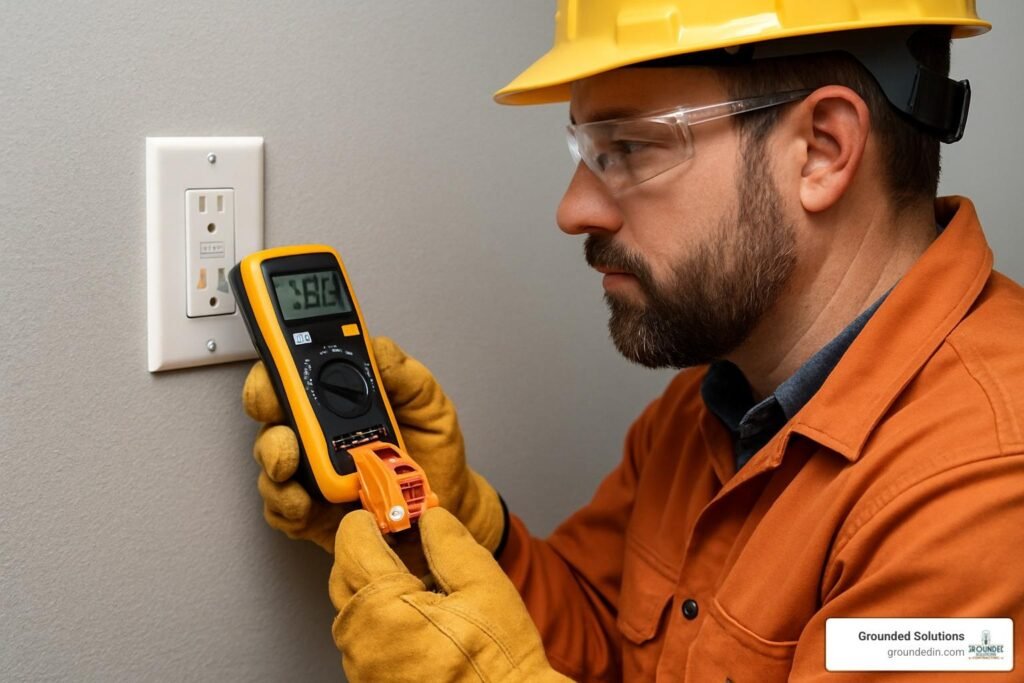
Electrical safety involves using electrical equipment correctly, keeping wiring in suitable condition, and responding to problems before they become dangerous.
Electricity travels through wires and connections to supply power to outlets, lights, appliances, and other equipment. When these components become damaged or overloaded, they may create heat, electrical shocks, or fire hazards.
Many electrical problems begin with small changes. An outlet may stop working properly, a light may flicker, or a breaker may trip more frequently than usual.
These signs do not always indicate a major failure, but they should never be ignored.
Following Electrical Safety Tips consistently can reduce unnecessary risks and support safer electrical operation throughout your property.
Which Electrical Warning Signs Need Attention?
Electrical systems sometimes show early signs of trouble. Recognizing these changes can help you respond before the problem becomes more serious.
Warm Outlets and Electrical Switches
An electrical outlet or switch that becomes unusually hot may indicate a loose connection, excessive electrical demand, or damaged components.
A warm electrical device should not be treated as normal without knowing the cause.
Stop using equipment connected to an outlet that shows signs of overheating. If there is burning, melting, or visible damage, avoid touching the affected equipment and arrange professional inspection.
Flickering Lights and Power Interruptions
Lights may flicker because of electrical connection problems, changes in electrical demand, or faulty equipment.
If flickering happens repeatedly, especially across several areas of a property, the electrical system may need inspection.
Frequent circuit breaker trips also deserve attention. A breaker may be responding to an overloaded circuit or another electrical fault.
Burning Smells and Unusual Electrical Sounds
A burning smell near an electrical outlet, switch, or panel can indicate overheating.
Buzzing or crackling sounds may also signal an unsafe electrical condition.
If smoke, visible fire, or immediate danger is present, leave the area and contact emergency services. Never attempt to inspect damaged electrical wiring while it may still be energized.
Electrical Safety Tips for Everyday Home Activities
Many electrical hazards develop during ordinary daily activities. Paying attention to equipment use can make a meaningful difference.
Avoid Overloading Electrical Outlets
Connecting several high power appliances to the same outlet or circuit may cause excessive electrical demand.
A circuit has limits on the current it can safely carry. When that limit is exceeded, a breaker may trip.
Repeated overloads should be investigated rather than treated as a normal inconvenience.
If a room regularly needs more electrical connections, professional electrical installation may be necessary.
Inspect Power Cords Before Use
Damaged cords can expose electrical conductors and increase the risk of shock or fire.
Look for cracked insulation, loose plugs, and visible damage before using electrical equipment.
Never continue using a cord that has exposed wiring or signs of overheating.
Extension cords should not serve as permanent replacements for properly installed electrical outlets.
Keep Electrical Equipment Away From Water
Water can increase the risk of electrical shock when it comes into contact with energized equipment.
Avoid handling electrical plugs or switches with wet hands.
Electrical equipment used in areas where moisture may be present should have suitable protection for that location.
If electrical equipment becomes wet or damaged, avoid using it until its condition has been properly evaluated.
Pay Attention to Appliance Behavior
An appliance that produces unusual smells, sparks, or unexpected electrical interruptions may have a problem.
Stop using equipment that shows signs of damage or unsafe operation.
Electrical Safety Tips also include following the equipment manufacturer’s operating instructions and avoiding modifications that may affect electrical protection.
A Practical Electrical Safety Routine for Property Owners
Electrical safety becomes easier to manage when basic checks are part of normal property care.
Step 1: Check Visible Outlets and Switches
Look for cracks, discoloration, loose fittings, or signs of overheating.
Do not remove covers or touch internal wiring during these checks.
Step 2: Review Electrical Cord Conditions
Inspect visible power cords for damage, excessive bending, or exposed insulation.
Remove damaged equipment from use rather than attempting unsafe temporary repairs.
Step 3: Pay Attention to Circuit Breaker Activity
Notice whether breakers trip repeatedly or certain areas experience frequent power interruptions.
Keep track of when these problems occur, as this information may assist an electrician during inspection.
Step 4: Keep Electrical Panels Accessible
Avoid blocking electrical panels with furniture, storage materials, or other objects.
Clear access is important for inspections, maintenance, and emergency situations.
Step 5: Arrange Professional Electrical Maintenance
Electrical systems may need professional attention when equipment changes, wiring becomes damaged, or unusual behavior appears.
A qualified electrician can inspect relevant components and determine whether repairs or improvements are necessary.
A Real Life Example of Electrical Safety During Home Improvements
Consider a homeowner who plans to remodel a room and add several electrical appliances.
The room already has lighting and outlets, but the homeowner wants additional electrical connections for the new layout.
At first, using the existing outlets may seem convenient. However, adding equipment without reviewing electrical capacity could place more demand on the circuit than it was designed to support.
Instead of connecting everything to extension cords, the homeowner arranges an electrical evaluation before the remodeling work begins.
The electrician checks the existing wiring, circuit capacity, and planned electrical requirements.
If the current installation is not suitable, appropriate wiring improvements can be included in the project.
This approach helps address electrical concerns before the room is completed and reduces the chance of future electrical interruptions.
It also shows that Electrical Safety Tips are important during planning, not only after an electrical problem occurs.
Errors That Often Create Electrical Safety Problems
Electrical hazards sometimes develop because warning signs are overlooked or temporary solutions remain in use for too long.
Ignoring Repeated Electrical Problems
A breaker that trips occasionally or an outlet that stops working may seem like a small inconvenience.
However, repeated problems can indicate damaged wiring, excessive electrical demand, or faulty connections.
Waiting until the electrical system fails completely may allow the underlying issue to continue.
Using Extension Cords as Permanent Wiring
Extension cords are intended for suitable temporary uses, not as permanent replacements for building wiring.
Running cords beneath rugs, through doorways, or in areas where they may be damaged can create electrical hazards.
Permanent electrical needs should be addressed through properly planned electrical installation.
Attempting Electrical Repairs Without Training
Electrical wiring and panels can contain dangerous voltage.
Turning off a wall switch does not guarantee that nearby wiring is safe to touch.
Electrical repairs, rewiring, and panel work should be performed by qualified professionals using appropriate safety procedures.
Delaying Electrical Maintenance
Some property owners wait until an electrical failure occurs before requesting service.
This can allow damaged components or unsafe connections to remain unnoticed.
Regular attention to electrical system condition supports safer operation and may reduce unexpected interruptions.
Electrical Safety Tips for Commercial Properties
Electrical safety is especially important in workplaces where multiple people rely on the same electrical systems.
Offices, commercial buildings, and other business properties may have lighting, equipment, and electrical systems operating for extended periods.
A problem affecting these systems can interrupt daily activities and create concerns for employees, customers, and property managers.
Maintain Electrical Equipment Properly
Commercial electrical equipment should be used according to its intended purpose and operating requirements.
Damaged cords, loose outlets, and repeated electrical interruptions deserve prompt attention.
Facility managers should make sure electrical concerns are reported rather than ignored.
Review Electrical Needs Before Adding Equipment
Adding office equipment or changing the use of a commercial space can increase electrical demand.
Existing circuits may not always be suitable for additional equipment.
A professional electrical evaluation can help determine whether electrical installation or wiring improvements are necessary.
Keep Electrical Maintenance Organized
Electrical maintenance should be part of normal property management.
When electrical concerns are reported, recording the affected area and the behavior of the equipment can support a more efficient inspection.
Electrical Safety Tips for commercial properties should focus on reducing hazards while keeping electrical systems suitable for their daily use.
Electrical Safety During Remodeling and Rewiring Projects
Remodeling often changes the way electricity is used inside a building.
New lighting, appliances, outlets, and equipment can increase electrical demand or require different electrical connections.
Existing wiring may need attention when it is damaged, unsuitable, or unable to support planned changes safely.
Electrical rewiring should be planned carefully because improper connections can create hazards that remain hidden behind walls.
Professional electrical installation helps ensure that wiring and protective devices are suitable for the intended electrical system.
For homeowners and commercial property owners, including electrical safety in remodeling plans can reduce the need for corrections after construction work is completed.
Electrical Safety Tips for Electric Vehicle Charging Stations
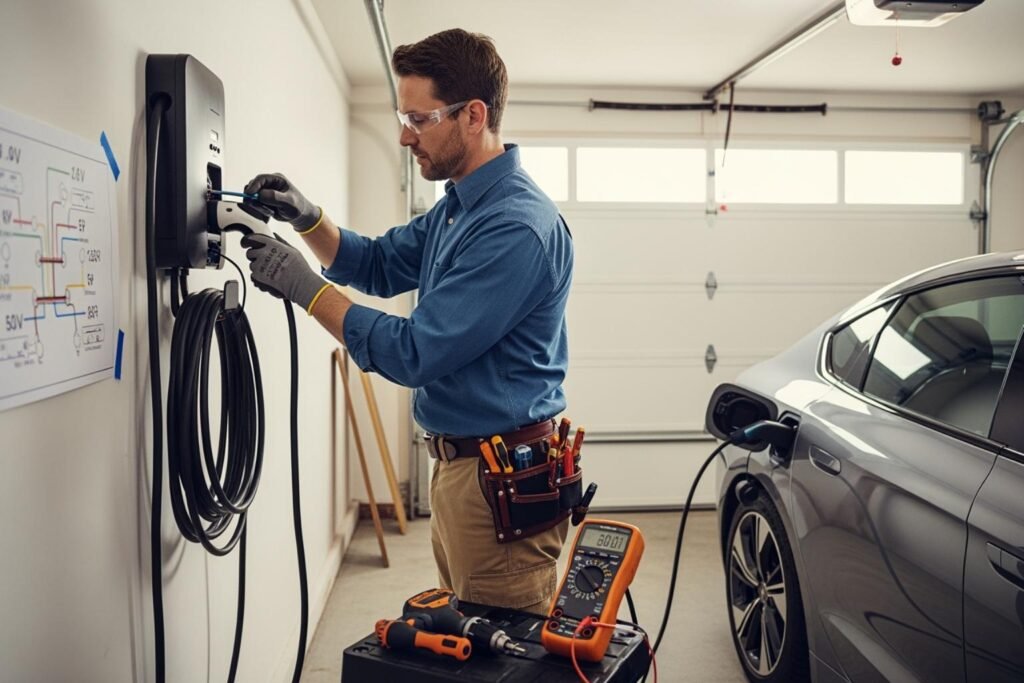
Electric vehicle charging adds a significant electrical demand that should be considered during installation planning.
A charging station needs a suitable electrical connection and circuit protection based on the equipment and electrical system.
Using an unsuitable connection can create overheating or other electrical risks.
Professional electric vehicle charging station installation can help property owners address electrical capacity, wiring requirements, and safe equipment connections.
Before installing charging equipment, the existing electrical system should be evaluated to determine whether it can support the additional demand.
Electrical Safety Tips remain important after installation. Any unusual heat, damaged connections, or repeated electrical interruptions should receive professional attention.
Electrical Safety and Generator Maintenance
Generators can provide backup electricity when the normal power supply is interrupted.
However, generator systems also require proper installation, electrical connections, and maintenance.
An incorrectly connected generator can create serious electrical hazards, including dangerous power flowing into utility lines.
Generator installation should include appropriate equipment and safe connection methods.
Nodine Electric LLC provides Generac generator installation and maintenance services for property owners who need power backup solutions.
Regular generator maintenance helps keep equipment in suitable operating condition and allows potential issues to be addressed before backup power is needed.
Electrical safety should remain a priority whenever generator equipment is installed, serviced, or operated.
Electrical Safety as Part of a Larger Maintenance Strategy
Electrical Safety Tips are most effective when they form part of a wider approach to property maintenance.
Outlets, switches, wiring, circuit breakers, electrical panels, and connected equipment all work together.
A problem affecting 1 component may also involve other parts of the electrical system.
For example, replacing a damaged outlet without addressing faulty wiring behind it may leave the original hazard unresolved.
A complete guide to residential and commercial electrical services can connect these safety practices with electrical installation, repair, maintenance, remodeling, rewiring, and power backup planning.
Thinking about the entire electrical system helps property owners make better maintenance decisions rather than focusing only on individual electrical problems.
When Professional Electrical Assistance Is Necessary
Some electrical concerns can be noticed through basic visual checks, but diagnosing electrical faults often requires professional training and equipment.
Repeated breaker trips, burning smells, damaged outlets, and unusual electrical behavior should be taken seriously.
Professional assistance is also important when a property needs additional wiring, electrical repairs, remodeling work, or new electrical equipment.
Nodine Electric LLC provides electrical installation, electrical repair, electrical maintenance, remodeling and rewiring, commercial electrical services, electric vehicle charging station installation, and Generac generator installation and maintenance throughout Pendleton, South Carolina, and surrounding areas.
A qualified electrician can evaluate the condition of electrical components and recommend suitable work based on the needs of the property.
The purpose is to address electrical concerns safely and reduce the chance of repeated problems.
Electrical Fire Prevention and Emergency Readiness
Electrical safety includes preparing for situations in which electrical equipment becomes dangerous.
Smoke alarms should remain operational, and people inside a building should know the safest way to leave during a fire emergency.
If an electrical outlet, panel, or appliance produces smoke or catches fire, leave the affected area and contact emergency services.
Never pour water onto energized electrical equipment.
Fire response equipment has different purposes, and using the wrong equipment can increase danger. The glossary of firefighting equipment provides terminology related to equipment used in fire response.
Preventing electrical hazards remains the priority, but emergency readiness is also an important part of protecting people and property.
Conclusion
Electrical safety begins with everyday habits and careful attention to warning signs.
Damaged outlets, overloaded circuits, faulty wiring, and unusual electrical behavior should not be ignored.
Following Electrical Safety Tips can help homeowners, business owners, and property managers reduce electrical risks while keeping their systems in suitable condition.
Electrical maintenance, proper installation, and timely repairs all play important roles in protecting people and property.
For properties in Pendleton, South Carolina, and surrounding areas, professional electrical assistance can support safer remodeling, rewiring, equipment installation, and ongoing maintenance.
A little attention to electrical safety today can prevent unnecessary risks and support more reliable electrical operation in the future.
Frequently Asked Questions About Electrical Safety Tips
1. Can damaged electrical outlets become dangerous?
Yes. Damaged outlets may create electrical shock or fire hazards. Stop using outlets that show signs of overheating, cracking, or exposed electrical parts.
2. Is it safe to use several appliances on the same outlet?
It depends on the electrical demand and circuit capacity. Connecting too many high power appliances can overload a circuit and create safety concerns.
3. Can old electrical wiring increase safety risks?
Yes. Damaged or deteriorated wiring may create electrical hazards. A qualified electrician can evaluate whether repairs or rewiring are necessary.
4. Should electrical systems be inspected during remodeling?
Yes. Remodeling can change electrical demand and wiring requirements. Professional evaluation can help determine whether existing electrical systems are suitable for planned improvements.
5. When should a property owner contact an electrician?
Contact a qualified electrician when breakers trip repeatedly, outlets overheat, wiring appears damaged, or electrical equipment behaves unusually.
