
A circuit breaker that keeps turning off can interrupt your entire day. You may be preparing dinner, working in your office, or using an electrical appliance when the power suddenly stops. Sometimes, resetting the breaker restores electricity. Other times, the same problem happens again.
Circuit Breaker Problems can be frustrating, especially when you cannot tell whether the issue comes from an appliance, electrical wiring, or the breaker itself. Ignoring repeated electrical interruptions may also create safety concerns. Professional electrical repair services can help identify the cause and address electrical faults before they become more serious.
Circuit breakers play an important role in protecting electrical systems. They interrupt electrical flow when certain unsafe conditions occur. Knowing the warning signs and responding carefully can help protect your home, business, and electrical equipment.
This article covers the causes of breaker problems, warning signs, safe troubleshooting steps, and situations that require professional electrical attention.
Circuit Breaker Problems and Their Impact on Electrical Safety
A circuit breaker is a safety device installed inside an electrical panel. Its main purpose is to interrupt electrical current when a circuit experiences an overload or certain electrical faults.
Every electrical circuit has a limit on the amount of current it can safely carry. When that limit is exceeded, a breaker may trip to help protect the wiring.
Circuit Breaker Problems can occur when electrical demand becomes too high, wiring develops a fault, or a breaker no longer operates properly.
A breaker that trips occasionally may be responding to a temporary overload. However, repeated trips should never be treated as normal.
Electrical safety depends on identifying the cause rather than repeatedly restoring power without checking the system.
Can a Circuit Breaker Trip Without Warning?
Yes. A circuit breaker can trip suddenly when electrical current exceeds safe limits or certain faults occur. The breaker may interrupt power before you notice any other warning sign.
For example, several appliances operating on the same circuit may cause an overload. A damaged electrical connection may also create a fault that causes the breaker to trip.
Sometimes, the issue appears only when a particular appliance starts operating. In other cases, power may stop even when the electrical demand seems low.
These differences matter because not every breaker trip has the same cause.
Paying attention to when the problem occurs can provide useful information during a professional electrical inspection.
Main Causes of Circuit Breaker Problems
Circuit breakers respond to different electrical conditions. Identifying the possible cause is an important part of keeping the electrical system safe.
Overloaded Electrical Circuits
An overloaded circuit occurs when connected equipment draws more electrical current than the circuit is designed to carry.
For example, operating several high power appliances on the same circuit may cause the breaker to trip.
This problem may happen more often in rooms where electrical demand has increased over time.
If overloads happen regularly, the electrical system may need professional evaluation to determine whether changes are necessary.
Short Circuits in Electrical Wiring
A short circuit occurs when electricity travels through an unintended path. This can cause a sudden increase in electrical current.
Damaged wiring, faulty equipment, or incorrect electrical connections may contribute to short circuits.
A breaker may trip immediately when a short circuit occurs. The problem can also create dangerous heat.
Short circuits require careful attention because continuing to energize a damaged circuit may increase the risk of electrical injury or fire.
Ground Faults and Electrical Leakage
A ground fault occurs when electrical current travels along an unintended path toward ground.
Damaged insulation, faulty equipment, or wiring problems can contribute to this condition.
Some breakers include special protection designed to respond to certain ground faults. Standard breakers do not provide the same protection against every type of electrical hazard.
If a protected circuit trips repeatedly, professional electrical repair may be needed to identify the source of the fault.
Worn or Damaged Circuit Breakers
Circuit breakers can develop mechanical or electrical problems over time. A damaged breaker may fail to operate as intended.
Visible damage, unusual heat, or a breaker that will not remain in its operating position may indicate a problem.
However, a breaker that keeps tripping is not automatically defective. It may be responding correctly to a dangerous condition elsewhere in the circuit.
A qualified electrician should determine whether the breaker, wiring, or connected equipment needs attention.
Warning Signs That Deserve Immediate Attention
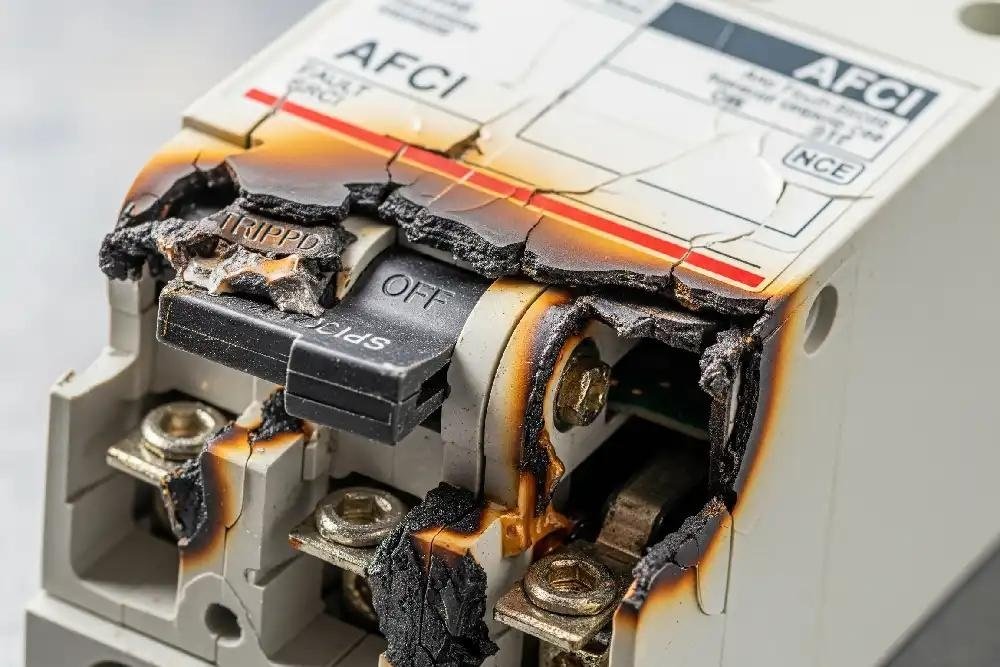
Circuit Breaker Problems sometimes appear alongside other electrical warning signs. Recognizing these changes can help prevent unsafe situations.
Repeated Power Interruptions
If the same circuit loses power frequently, the breaker may be responding to an ongoing electrical problem.
You might notice that power stops when certain appliances operate or when several devices run together.
Repeated interruptions can affect daily activities and may signal that the circuit needs inspection.
Burning Smells Near the Electrical Panel
A burning smell around an electrical panel may indicate overheating or damaged electrical components.
This warning should never be ignored. Avoid touching or opening the panel when overheating is suspected.
If smoke, fire, or immediate danger is present, leave the area and contact emergency services.
Unusual Sounds or Visible Damage
Buzzing, crackling, or other unusual sounds near electrical equipment may indicate a fault.
Discoloration, melting, or damage around a breaker or panel can also signal a serious problem.
These conditions require professional attention. Do not attempt to remove electrical panel covers or inspect internal wiring yourself.
Safe Steps to Take When a Circuit Breaker Trips
When power suddenly stops, it is natural to want electricity restored immediately. However, safety should come before convenience.
The following steps can help you respond without taking unnecessary risks.
Step 1: Check for Immediate Danger
Before approaching the electrical panel, pay attention to burning smells, smoke, unusual sounds, or visible damage.
If any of these warning signs are present, stay away from the equipment and arrange urgent professional assistance.
Step 2: Identify the Affected Area
Notice which lights, outlets, or appliances have stopped working.
This information may help identify the affected circuit without opening electrical equipment or touching wiring.
Step 3: Disconnect Recently Used Appliances
If it is safe, unplug appliances that were operating when the breaker tripped.
A connected appliance may be contributing to an overload or electrical fault.
Never touch damaged cords, wet electrical equipment, or anything showing signs of overheating.
Step 4: Consider the Breaker’s Condition
If there are no warning signs of danger and the manufacturer’s instructions permit it, a breaker may be reset once using its normal external handle.
Do not remove the panel cover or touch internal electrical parts.
If the breaker trips again, will not reset normally, or feels damaged, leave it off and request professional inspection.
Step 5: Arrange Electrical Repair When Necessary
Repeated trips, unusual smells, or unexplained power interruptions should be investigated by a qualified electrician.
Professional testing can help determine whether the issue involves electrical demand, wiring, connected equipment, or the breaker.
A Real Life Example of Repeated Breaker Trips
Imagine a homeowner who notices that the power in a kitchen stops whenever several appliances operate together.
At first, the homeowner resets the breaker and continues using the appliances. The problem seems minor because electricity returns immediately.
Over the following weeks, the breaker starts tripping more often. Preparing meals becomes frustrating because the power interruption happens without much notice.
Instead of continuing to reset the breaker, the homeowner arranges an electrical inspection.
During the inspection, the electrician evaluates the circuit, connected appliances, and electrical demand. The electrician can then determine whether an overload or another electrical fault is causing the interruptions.
If the circuit cannot safely support the existing demand, suitable electrical improvements may be recommended.
This example shows that Circuit Breaker Problems should be addressed at their source rather than treated as an everyday inconvenience.
Errors That Can Make Circuit Breaker Problems Worse
Some actions may appear to restore power quickly but can create additional electrical risks.
Resetting the Breaker Repeatedly
A breaker that trips frequently is signaling that something may be wrong.
Repeatedly resetting it without investigating the cause can allow an electrical fault to remain unresolved.
If the breaker trips again after a reset, professional inspection is the safer approach.
Replacing a Breaker With a Larger Rating
A breaker must be suitable for the wiring and electrical system it protects.
Installing a breaker with a higher current rating simply to prevent trips can allow wiring to carry more current than it can safely handle.
Breaker replacement and circuit changes should be evaluated and performed by a qualified electrician.
Ignoring Electrical Panel Warning Signs
Heat, burning smells, damaged components, or unusual sounds around an electrical panel are not normal conditions.
Waiting for the entire electrical system to stop working can allow a serious problem to continue.
Early professional attention may prevent further damage.
Attempting Repairs Without Electrical Training
Electrical panels contain components that can remain energized even when certain breakers are turned off.
Opening a panel or changing internal electrical connections without proper training can cause serious injury.
Electrical repairs should be performed by qualified professionals using appropriate safety procedures.
Practical Tips for Maintaining Circuit Breaker Safety
Good electrical habits can reduce unnecessary strain on electrical circuits and make developing problems easier to notice.
Pay Attention to Electrical Demand
Electrical circuits have limits. Connecting too many high power appliances to the same circuit can increase the chance of overloads.
If a room regularly experiences power interruptions, the existing electrical installation may need evaluation.
Adding equipment without considering circuit capacity can create further problems.
Keep Electrical Panels Accessible
Electrical panels should remain easy to access for inspections and emergency situations.
Avoid blocking them with furniture, storage boxes, or other materials.
Clear access allows qualified electricians to inspect electrical equipment more safely and efficiently.
Include Electrical Systems in Property Maintenance
Electrical maintenance is important for residential and commercial properties.
Routine professional attention can identify damaged components, unsafe connections, and signs of electrical wear.
For business owners, maintaining electrical systems also helps reduce interruptions that can affect daily operations.
Nodine Electric LLC provides commercial electrical services for businesses requiring electrical installation, repair, and maintenance.
Take Changes in Electrical Behavior Seriously
A breaker that begins tripping more often than before deserves attention.
The same applies when electrical equipment starts behaving differently or power interruptions occur without an obvious cause.
Keeping track of these changes can help an electrician evaluate the problem more efficiently.
Circuit Breaker Problems During Remodeling and Electrical Upgrades
Remodeling projects often involve changes to electrical equipment, outlets, lighting, or wiring.
When electrical demand increases, the existing circuits may not always be suitable for the planned improvements.
For example, adding new electrical equipment to a room may place additional demand on circuits that already supply other appliances.
Circuit Breaker Problems can become more noticeable after these changes.
Electrical planning should therefore be part of remodeling and rewiring decisions. A qualified electrician can evaluate circuit capacity and determine whether changes to the electrical system are necessary.
The same careful planning applies to electric vehicle charging station installation and Generac generator installation. These systems require appropriate electrical connections and suitable protection.
Circuit Breaker Safety as Part of a Complete Electrical Maintenance Plan
Circuit breakers are only part of a larger electrical system. Wiring, outlets, electrical panels, connected equipment, and maintenance practices all affect electrical safety.
Repairing a faulty breaker without checking the surrounding circuit may leave the original problem unresolved.
A broader electrical maintenance plan considers the condition of electrical components, the demands placed on the system, and any changes planned for the property.
The complete guide to residential and commercial electrical services provides a natural starting point for connecting circuit breaker safety with electrical installation, repair, rewiring, maintenance, and power backup planning.
For homeowners and property owners in the area, electrical services in Pendleton can support these needs through professional electrical work.
Looking at the full electrical system rather than a single component helps support safer decisions.
When Professional Electrical Assistance Is Necessary
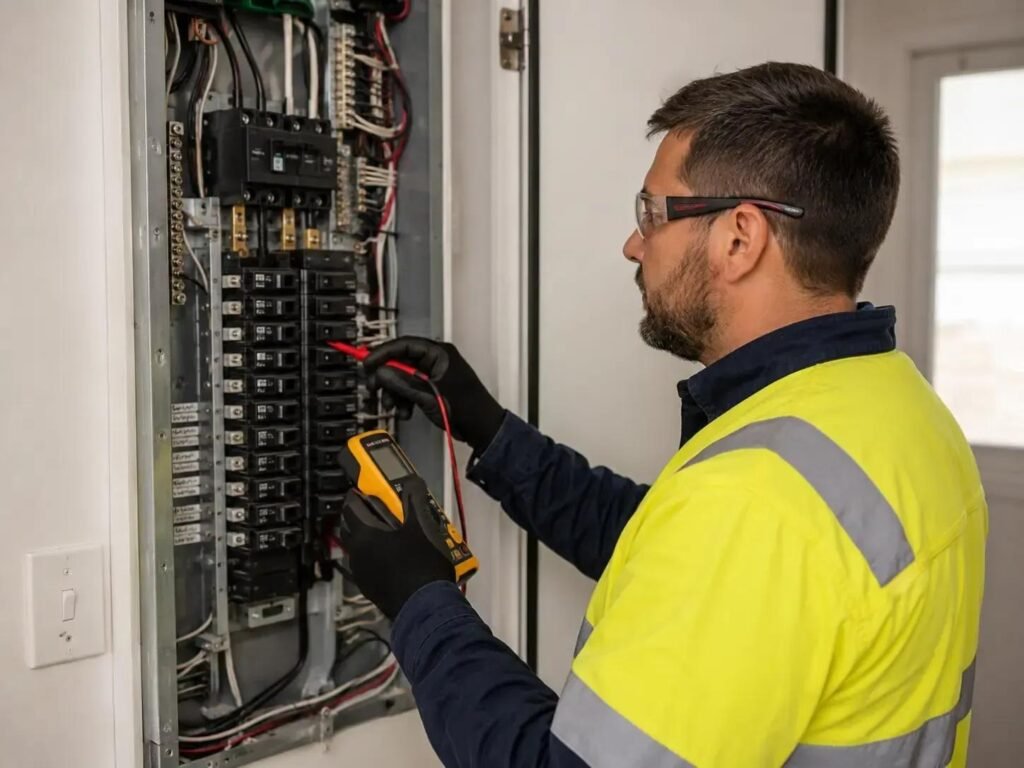
Not every power interruption means a major electrical failure. Still, repeated breaker trips, damaged equipment, and unusual electrical behavior deserve proper attention.
Professional electrical assistance is especially important when a breaker will not remain on, the electrical panel shows damage, or power interruptions continue after connected appliances have been disconnected.
An electrician can inspect the electrical system and use suitable testing methods to identify possible faults.
Nodine Electric LLC serves Pendleton, South Carolina, and surrounding areas with electrical repair, installation, maintenance, remodeling and rewiring, commercial electrical services, electric vehicle charging station installation, and Generac generator installation and maintenance.
The purpose of professional electrical work is to address the actual condition affecting the system, rather than relying on temporary solutions.
Electrical Fire Safety and Circuit Breaker Problems
Circuit breakers play an important role in electrical fire prevention because they interrupt current during certain overloads and faults.
However, breakers cannot prevent every electrical fire. Loose connections, damaged equipment, and other electrical hazards may still create dangerous conditions.
A working electrical system should include proper installation, suitable protective devices, and attention to warning signs.
Fire safety equipment also has an important role in emergency readiness. The glossary of firefighting equipment contains terminology related to equipment used in fire response.
If an electrical panel produces smoke or catches fire, leave the building and contact emergency services. Never pour water onto energized electrical equipment.
Addressing Circuit Breaker Problems early is an important part of reducing electrical hazards and protecting people inside the property.
Conclusion
Circuit Breaker Problems can interrupt everyday activities and sometimes point to serious electrical faults. Overloaded circuits, damaged wiring, ground faults, and defective breakers are among the conditions that may require attention.
The safest response is to notice warning signs, avoid repeated breaker resets, and arrange professional inspection when problems continue.
Regular electrical maintenance and proper electrical installation also support safer operation over time.
For homeowners and businesses in Pendleton, South Carolina, and surrounding areas, addressing electrical concerns early can help protect property, equipment, and the people who depend on them.
Taking action when a breaker behaves unusually is better than waiting for a larger electrical failure.
Frequently Asked Questions About Circuit Breaker Problems
1. Can a circuit breaker trip because of too many appliances?
Yes. When connected appliances draw more current than a circuit can safely carry, the breaker may trip to protect the wiring.
2. Is it safe to keep resetting a circuit breaker?
No. Repeatedly resetting a breaker without identifying the cause can be dangerous. If it trips again, leave it off and request professional inspection.
3. Can a damaged circuit breaker cause electrical problems?
Yes. A damaged breaker may fail to operate correctly. A qualified electrician should inspect the breaker and connected circuit to determine the cause.
4. Can old electrical wiring cause breaker trips?
Yes. Damaged or deteriorated wiring may contribute to electrical faults. However, wiring age alone does not prove that it is responsible for the problem.
5. When should a circuit breaker be replaced?
A breaker may need replacement when it is damaged, defective, or unsuitable for the electrical system. A qualified electrician should determine whether replacement is necessary.
