
An electrical problem can turn an ordinary day into a stressful situation. The lights suddenly stop working, an outlet loses power, or a circuit breaker keeps tripping. You may wonder whether the problem is small or something that needs immediate attention.
Electrical Troubleshooting helps identify the cause of these problems so the right repair can be made. Some electrical issues involve damaged equipment, while others may come from wiring, connections, or the electrical panel. Regular electrical maintenance services can help identify developing concerns and support safer electrical operation.
For homeowners, losing electricity can interrupt cooking, lighting, and daily routines. For business owners, electrical interruptions can affect equipment, employees, and normal operations.
The important thing is knowing when a basic safety check is appropriate and when the problem requires professional electrical testing.
This guide covers electrical warning signs, safe troubleshooting steps, possible causes, and situations that deserve professional attention.
Electrical Troubleshooting and Its Role in Electrical Safety
Electrical Troubleshooting is the process of identifying the cause of an electrical problem before making repairs.
An electrical system includes wiring, outlets, switches, circuit breakers, and connected equipment. These parts work together to deliver electricity throughout a property.
When electricity stops flowing correctly, the problem may involve 1 component or several connected parts of the system.
For example, an outlet that stops working may be affected by a tripped breaker, a damaged connection, or faulty equipment.
Electrical Troubleshooting helps narrow down the possible cause instead of replacing parts without knowing whether they are defective.
Proper diagnosis matters because an incorrect repair may leave an electrical hazard unresolved.
A safe approach begins with observing the problem and avoiding contact with exposed electrical parts.
Which Electrical Problems Require Troubleshooting?
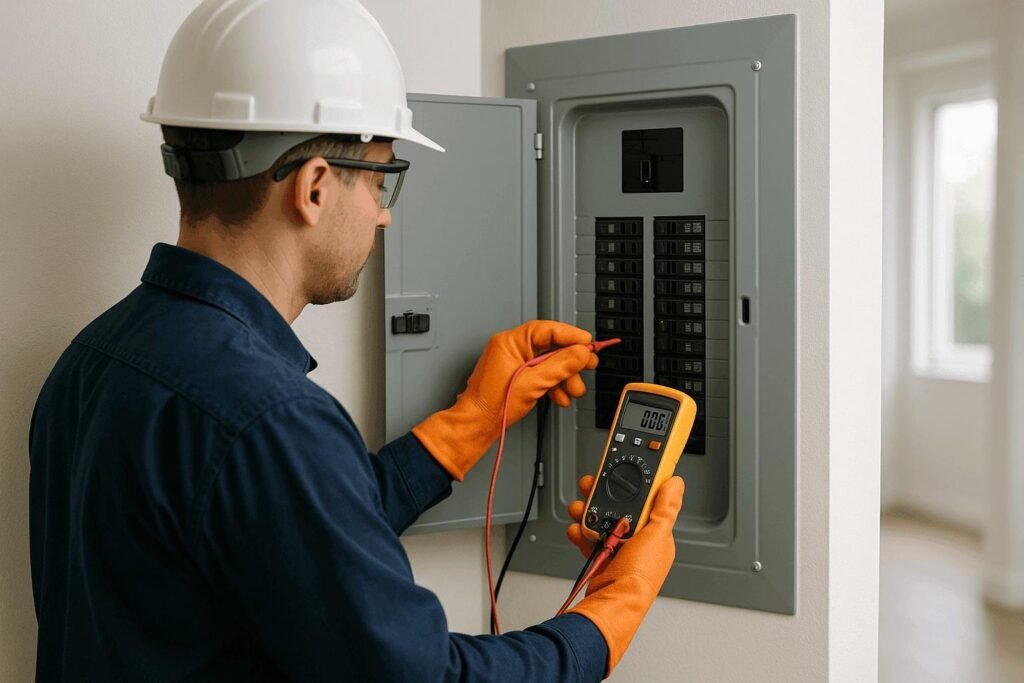
Electrical faults can appear in several ways. Paying attention to the symptoms can help determine when professional inspection is necessary.
Outlets That Suddenly Lose Power
An outlet may stop working because of a circuit interruption, a faulty connection, or damage within the electrical system.
Sometimes, other outlets in the same area continue working normally.
This can make the problem confusing because the electrical issue may not be visible.
Electrical Troubleshooting can help determine whether the outlet itself or another part of the circuit requires repair.
Lights That Flicker or Dim
Flickering lights may occur because of changes in electrical demand, loose connections, or faulty electrical equipment.
A light that flickers repeatedly deserves attention, especially when the problem affects several fixtures.
If lights dim when larger appliances operate, the circuit or electrical supply may need evaluation.
A qualified electrician can inspect the affected equipment and determine whether the problem involves wiring or another electrical component.
Circuit Breakers That Keep Tripping
Circuit breakers interrupt electrical current when certain unsafe conditions occur.
A breaker may trip because a circuit is overloaded or an electrical fault has developed.
Repeated trips should not be ignored.
If a breaker continues shutting off, professional Electrical Troubleshooting may be necessary to identify the cause and determine the appropriate repair.
Electrical Equipment That Operates Unexpectedly
Some electrical problems appear through connected equipment rather than outlets or switches.
An appliance may stop operating, shut off unexpectedly, or behave differently than usual.
The cause may involve the appliance itself or the electrical circuit supplying power.
Damaged equipment should remain unused until its condition has been evaluated.
Electrical Troubleshooting Steps for Safer Problem Identification
Electrical troubleshooting should begin with safety rather than opening equipment or attempting wiring repairs.
Property owners can observe basic conditions without touching internal electrical components.
Step 1: Check for Immediate Electrical Hazards
Before approaching electrical equipment, pay attention to smoke, burning smells, unusual sounds, or visible damage.
These warning signs may indicate overheating or another dangerous condition.
If smoke, fire, or immediate danger is present, leave the area and contact emergency services.
Step 2: Identify the Affected Electrical Area
Notice whether the problem affects a single outlet, several lights, or an entire section of the property.
This information can help narrow down the affected circuit.
Avoid opening electrical panels or removing outlet covers to investigate.
Step 3: Observe Connected Equipment
Think about which appliances or devices were operating when the problem occurred.
If an appliance appears damaged, stop using it.
Unplug equipment only when the plug, cord, and outlet are safe to touch.
Step 4: Record Repeated Electrical Behavior
Notice whether the problem happens at certain times or when particular equipment operates.
For example, lights may dim whenever a large appliance starts.
These details can help an electrician evaluate the electrical system more efficiently.
Step 5: Arrange Professional Electrical Testing
When the cause remains unclear or the problem continues, a qualified electrician should inspect the system.
Professional testing may involve checking electrical connections, circuit conditions, and the operation of relevant equipment.
Electrical Troubleshooting should identify the actual fault before repair work begins.
A Real Life Example of Electrical Troubleshooting
Imagine a homeowner who notices that the lights in a bedroom occasionally flicker.
At first, the problem happens only for a few seconds. The homeowner assumes the light fixture is responsible and continues using it.
After several days, another light in the same area begins flickering.
The homeowner also notices that the problem occurs more often when certain appliances operate.
Rather than replacing several fixtures without knowing the cause, the homeowner arranges a professional electrical inspection.
The electrician evaluates the affected circuit, electrical connections, and connected equipment.
The inspection helps determine whether the problem involves a loose connection, excessive electrical demand, or another electrical fault.
Once the cause is identified, the appropriate repair can be planned.
This example shows that Electrical Troubleshooting is about identifying the source of a problem rather than making repeated guesses.
Errors That Often Create Bigger Electrical Problems
Electrical issues can become more serious when temporary solutions are used without addressing the actual cause.
Repeatedly Resetting Circuit Breakers
A circuit breaker that trips repeatedly may be responding to an overload or electrical fault.
Resetting it again and again without investigating the cause can be unsafe.
If a breaker trips again after a reset, leave it off and arrange professional inspection.
Replacing Electrical Parts Without Testing
An outlet or switch may appear defective even when the problem comes from wiring elsewhere in the circuit.
Replacing visible components without proper diagnosis may not correct the issue.
Professional Electrical Troubleshooting helps determine which component actually requires attention.
Ignoring Burning Smells or Unusual Heat
Electrical equipment should not produce burning smells or show signs of overheating.
These symptoms may indicate damaged connections or other dangerous electrical conditions.
Stop using affected equipment and seek professional assistance rather than waiting for the problem to become worse.
Attempting Electrical Panel Repairs Without Training
Electrical panels contain components that can remain energized even when certain breakers are switched off.
Removing panel covers or touching internal wiring can cause serious injury.
Electrical panel repairs and testing should be handled by qualified electricians using appropriate safety procedures.
Practical Tips for Better Electrical Troubleshooting
Careful observation and regular maintenance can make electrical problems easier to address.
Keep Track of Electrical Changes
Pay attention when electrical equipment begins behaving differently.
A breaker that trips more often or lights that suddenly flicker may indicate a developing problem.
Recording these changes can provide useful information during professional inspection.
Avoid Overloading Electrical Circuits
Every electrical circuit has limits on the current it can safely carry.
Connecting too many high power appliances to the same circuit may cause overloads.
If a room regularly experiences power interruptions, the electrical demand may need professional evaluation.
Keep Electrical Panels Accessible
Electrical panels should remain clear of furniture, storage materials, and other objects.
Easy access is important for inspection, maintenance, and emergency situations.
Avoid storing items directly against electrical equipment.
Schedule Electrical Maintenance When Needed
Electrical systems may develop problems as equipment ages or electrical demand changes.
Professional maintenance can identify damaged components, unsafe connections, and other concerns.
Addressing these conditions early may reduce unexpected electrical interruptions.
Electrical Troubleshooting in Commercial Properties
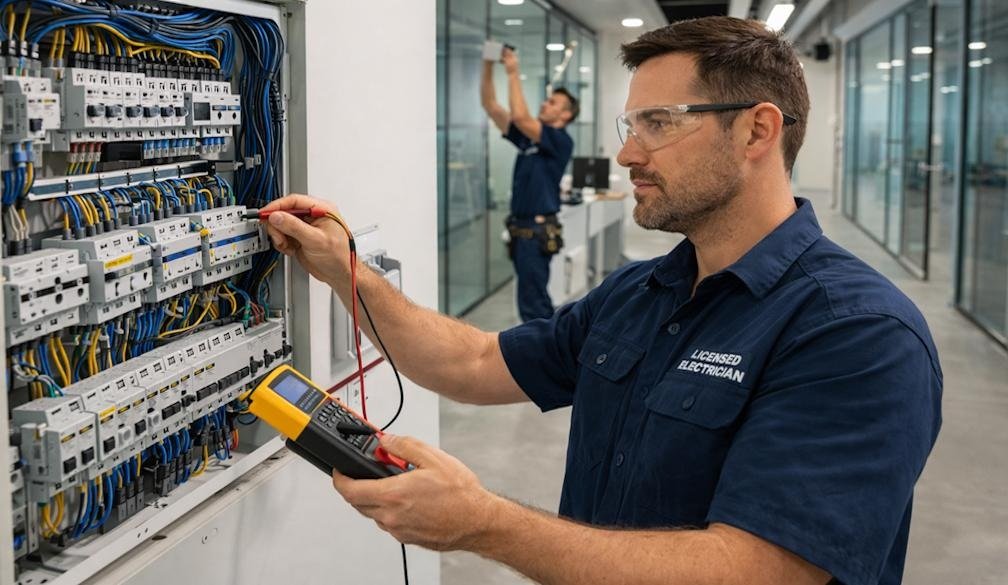
Electrical problems in commercial buildings can affect more than convenience.
Offices, business properties, and other facilities often depend on electrical equipment throughout the working day.
A power interruption may affect lighting, connected equipment, and daily operations.
Electrical Troubleshooting helps identify the affected system and determine which repairs are necessary.
Electrical Equipment and Power Interruptions
Commercial electrical equipment may operate for long periods and place different demands on electrical circuits.
When equipment shuts off unexpectedly, the problem may involve the device, its electrical connection, or the supplying circuit.
Professional inspection can help determine the cause.
Electrical Maintenance for Business Operations
Business owners and facility managers should take repeated electrical faults seriously.
Keeping records of power interruptions and equipment behavior can support professional troubleshooting.
Regular electrical maintenance also helps property managers address visible damage and developing electrical concerns.
Electrical Safety During Business Improvements
Changes to commercial spaces may involve additional outlets, lighting, or electrical equipment.
Existing circuits should be evaluated before electrical demand increases.
Proper electrical planning can reduce the chance of problems caused by unsuitable installations.
Electrical Troubleshooting and Generator Systems
Backup generators are designed to supply electricity when normal utility power is unavailable.
However, generator systems also depend on proper electrical connections, installation, and maintenance.
A generator that fails to operate as expected may have an equipment problem or another issue affecting its electrical system.
Professional Electrical Troubleshooting can help determine whether the concern involves the generator, its connections, or related electrical components.
Nodine Electric LLC provides Generac generator installation and maintenance services for property owners in Pendleton, South Carolina, and surrounding areas.
Generator equipment should never be connected to building wiring through unsafe temporary arrangements.
Proper installation and maintenance are important because incorrect generator connections can create dangerous electrical conditions.
Electrical Troubleshooting During Remodeling and Rewiring
Remodeling projects often involve changes to electrical wiring, outlets, lighting, and connected equipment.
When electrical demand changes, existing circuits may need evaluation.
For example, adding electrical equipment to a room can increase the amount of current required from the circuit.
If the existing wiring or protective devices are unsuitable, electrical problems may occur after the renovation.
Professional Electrical Troubleshooting can identify existing faults before new electrical work begins.
This is especially important when older wiring is present or electrical problems have already appeared.
Planning electrical improvements before remodeling is completed can reduce the need for later corrections.
Electrical Troubleshooting as Part of a Complete Electrical Maintenance Plan
Electrical Troubleshooting works best when it is connected to a wider electrical maintenance strategy.
An electrical system contains many components that depend on each other.
A problem affecting an outlet may involve wiring, circuit protection, or connected equipment elsewhere in the system.
Repairing only the visible symptom may leave the original fault unresolved.
The complete guide to residential and commercial electrical services connects troubleshooting with electrical installation, repair, maintenance, remodeling, rewiring, and power backup planning.
A broader approach helps property owners consider both immediate electrical faults and the long term condition of their electrical systems.
This is important for homes and commercial properties that rely on safe and consistent electrical operation.
When Professional Electrical Assistance Is Necessary
Some electrical problems can be observed safely, but identifying the actual cause often requires professional electrical testing.
Repeated breaker trips, damaged outlets, burning smells, and unexplained power interruptions should receive proper attention.
Professional assistance is also important when electrical panels, wiring, generator connections, or other installed electrical systems require repair.
Nodine Electric LLC provides electrical installation, electrical repair, electrical maintenance, remodeling and rewiring, commercial electrical services, electric vehicle charging station installation, and Generac generator installation and maintenance throughout Pendleton, South Carolina, and surrounding areas.
A qualified electrician can inspect the affected system, evaluate possible faults, and determine the work needed.
The purpose of professional Electrical Troubleshooting is to address the source of the problem while reducing unnecessary electrical risks.
Electrical Troubleshooting and Fire Safety
Certain electrical faults can create heat and increase the risk of fire.
Damaged wiring, loose connections, and overloaded circuits may create dangerous conditions if they remain unresolved.
Electrical Troubleshooting can help identify these problems before they cause further damage.
However, electrical safety also requires proper emergency preparation.
Smoke alarms should remain operational, and building occupants should know the safest way to leave during a fire emergency.
The glossary of firefighting equipment provides terminology related to tools used in fire response.
If electrical equipment begins smoking or catches fire, leave the building and contact emergency services. Never pour water onto energized electrical equipment or attempt unsafe repairs during an emergency.
Conclusion
Electrical Troubleshooting is an important part of maintaining safe and reliable electrical systems.
Flickering lights, damaged outlets, repeated breaker trips, and unexpected power interruptions may indicate problems that require professional attention.
Careful observation can provide useful information, but electrical testing and repairs should be performed by qualified professionals when wiring or internal electrical components are involved.
Regular maintenance, suitable electrical installations, and timely repairs can reduce electrical hazards and support better system performance.
For homeowners and businesses in Pendleton, South Carolina, and surrounding areas, professional electrical assistance can help address electrical faults, maintenance concerns, and power backup needs.
Taking electrical warning signs seriously is an important step toward protecting people, property, and electrical equipment.
Frequently Asked Questions About Electrical Troubleshooting
1. Can electrical troubleshooting identify the cause of power interruptions?
Yes. Professional electrical troubleshooting can help determine whether interruptions involve wiring, circuit breakers, connected equipment, or other electrical components.
2. Is it safe to troubleshoot electrical wiring without training?
No. Electrical wiring can remain energized and dangerous. Testing or repairing internal wiring should be handled by qualified electricians.
3. Can overloaded circuits cause electrical problems?
Yes. Excessive electrical demand can cause breakers to trip and may create unsafe conditions if the electrical system is not suitable for the connected equipment.
4. Can electrical maintenance reduce repeated faults?
Regular electrical maintenance can identify damaged components, unsafe connections, and developing concerns that may contribute to repeated electrical problems.
5. When should professional electrical troubleshooting be requested?
Professional inspection is important when breakers trip repeatedly, outlets overheat, wiring appears damaged, or electrical equipment behaves unexpectedly.
